सबका ढोल
The Drum That Belonged to Everyone
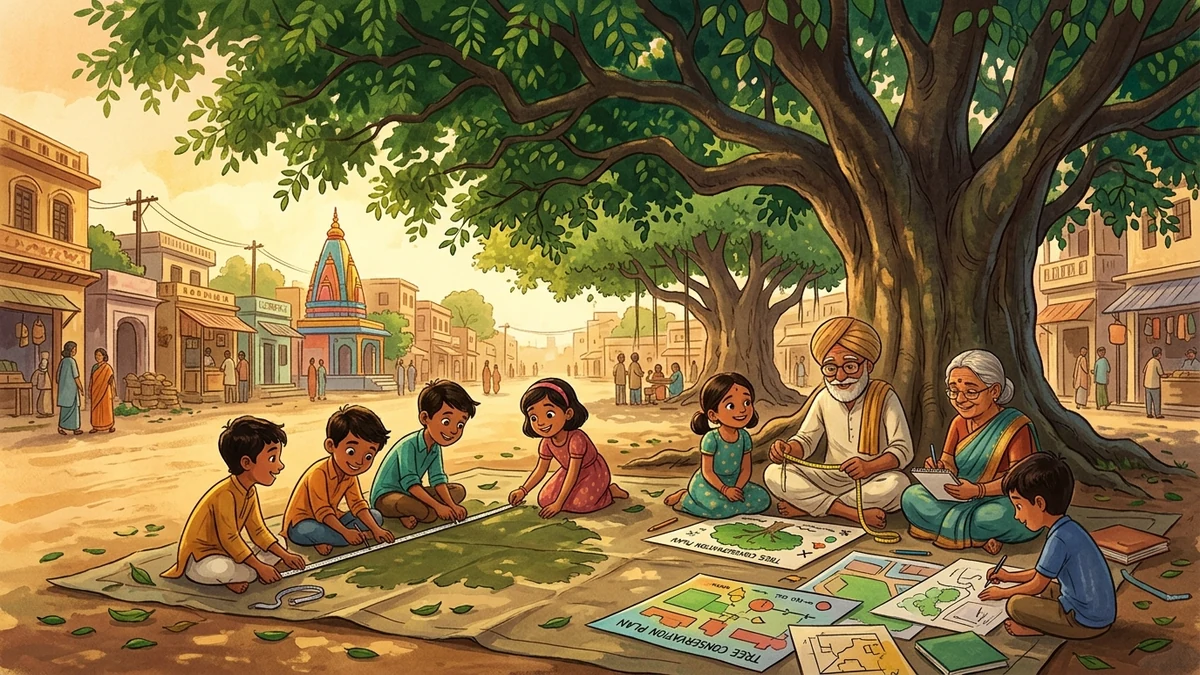
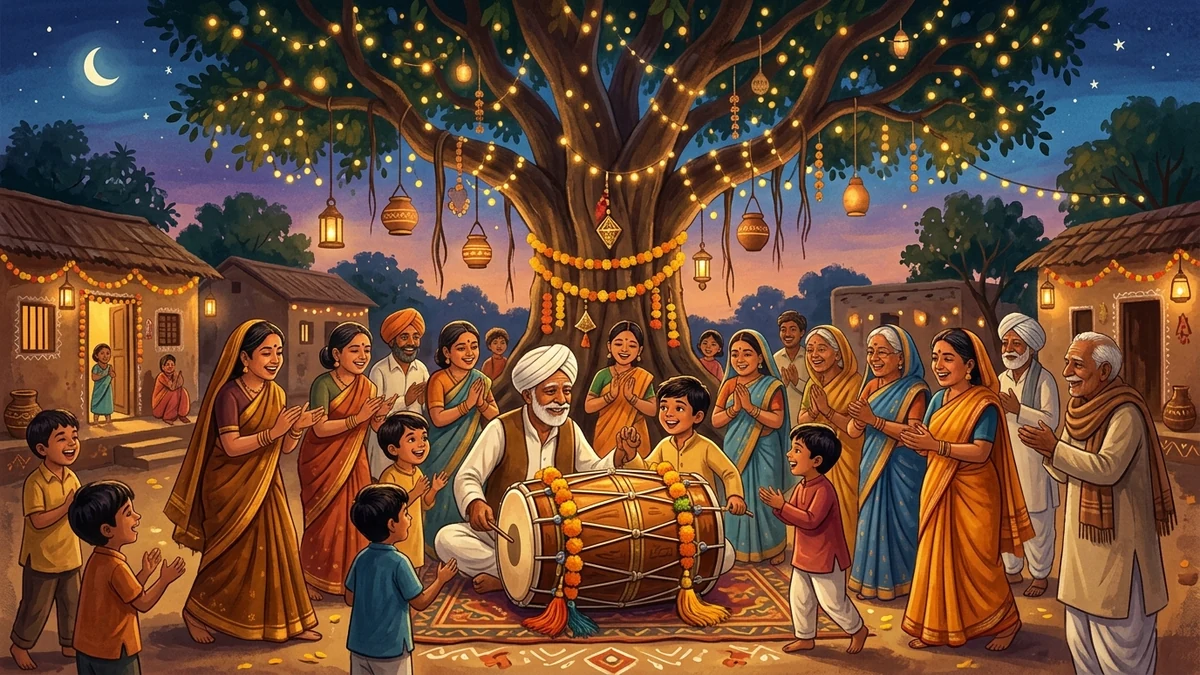
मोहल्ले के बड़े आम के पेड़ की छाँव में एक पुराना और सुर-भरा ढोल रखा था। यह ढोल पिछले पचास सालों से हर त्योहार, हर स्कूल समारोह, हर शादी और हर सामुदायिक जश्न का हिस्सा था। इसकी आवाज़ इतनी गहरी और मीठी थी कि बच्चे और बुज़ुर्ग दोनों उसे सुनकर खिंचे चले आते थे। कोई भी समूह ढोल माँगकर ले जा सकता था — बस परिषद के घर पर सूचना देनी होती थी। पर ढोल का कोई एक रखवाला नहीं था। सब उसे 'सबका' मानते थे — पर 'सबका' का मतलब यह हो गया था कि उसकी देखभाल 'किसी की नहीं'।
In the shade of the neighbourhood\'s ancient mango tree stood an old, richly-voiced drum. For fifty years it had been part of every festival, every school ceremony, every wedding, and every community celebration. Its sound was so deep and warm that children and elders alike were drawn to it the moment they heard it. Any group could borrow it — just a note at the council house was enough. But the drum had no single keeper. Everyone considered it \'everyone\'s\' — but \'everyone\'s\' had come to mean \'nobody\'s in particular.\'
उस साल की एक बरसाती शाम गली के बच्चों ने ढोल बजाते-बजाते उसे खुले मैदान में छोड़ दिया। अगले दिन किसी ने ध्यान नहीं दिया। उसके अगले दिन भी नहीं। एक हफ्ते बाद संगीत-शिक्षक श्री महेश ने ढोल को देखा — उसका चमड़ा नम दीवार के पास लंबे समय तक रहने से ढीला पड़ गया था, आवाज़ धीमी और खरखराती हो गई थी। उन्होंने परिषद को खबर दी। बैठक में आरोपों का सिलसिला शुरू हुआ — 'उस समूह ने छोड़ा', 'नहीं, दूसरे ने!' कुछ लोगों ने ढोल को ताले में बंद करने की माँग की। कुछ ने कहा — इसे किसी एक को सौंप दो।
One rainy evening that year, the neighbourhood children played the drum in the open ground and left it there when they dispersed. The next day nobody noticed. The day after, the same. A week later, music teacher Mr. Mahesh found the drum — its skin had loosened after days pressed against a damp wall, and its voice had turned dull and scratchy. He reported to the council. At the meeting, accusations began flying: \'That group left it,\' \'No, the other one!\' Some demanded the drum be locked up permanently. Others said — hand it over to one single person.
श्री महेश ने हाथ उठाकर सबको रोका। 'एक पल रुकिए। सवाल यह नहीं है कि किसने ढोल वहाँ छोड़ा। सवाल यह है — हमने ऐसी कोई व्यवस्था बनाई ही नहीं जिससे ढोल की देखभाल हो सके। हर बार हम यह मान लेते हैं कि कोई और करेगा — और यही सोच साझा चीज़ों को बर्बाद करती है।' उन्होंने फिर पूछा: 'क्या हम एक ऐसी व्यवस्था बना सकते हैं जो सरल हो, सबके लिए उचित हो और ढोल को लंबे समय तक बचाए?' यह सवाल कमरे में एक नई बातचीत की शुरुआत था।
Mr. Mahesh raised his hand to quieten the room. \'Wait a moment. The question is not who left the drum there. The question is — we never built any system to ensure its care. Every time we assume someone else will take care of it — and that very assumption destroys things held in common.\' He then asked: \'Can we build a system that is simple, fair to everyone, and keeps the drum alive for many years to come?\' That question opened an entirely different conversation in the room.
मिलकर एक सरल और व्यावहारिक व्यवस्था बनाई गई। एक पंजी — जिसमें ढोल लेने वाले समूह का नाम, तारीख और वापसी की तारीख लिखी जाएगी। एक नियम — जो समूह ढोल ले, वह उसे वापस करने से पहले सुखाएगा, दरारें या नुकसान जाँचेगा और तय जगह पर रखेगा। एक बारी — हर महीने दो स्वयंसेवक ढोल की जगह और हालत जाँचेंगे। एक कोष — जिसमें ढोल इस्तेमाल करने वाला हर समूह अपनी सामर्थ्य के अनुसार थोड़ा-सा योगदान देगा ताकि मरम्मत के लिए पैसे हमेशा उपलब्ध रहें। ढोल किसी के लिए बंद नहीं हुआ — पर अब उसकी देखभाल सबकी हो गई।
Together they built a simple, practical system. A register — in which each borrowing group would write their name, the date they took it, and the return date. A rule — the borrowing group would dry the drum before returning it, check for any damage or cracks, and place it in the designated storage spot. A rotation — two volunteers each month would check the drum\'s location and condition. A fund — every group that used the drum would contribute a small amount according to their means, so repair money would always be available. The drum was not locked away from anyone — but now everyone shared responsibility for it.
अगले त्योहार पर जब बच्चों ने ढोल बजाया और उसे वापस करने का समय आया, तो उन्होंने खुद उसे सुखाया, जाँचा और पंजी में नाम लिखा। उनमें से एक बच्चे ने कहा, 'अब यह ढोल सच में हमारा लगता है — क्योंकि हम इसकी देखभाल करते हैं।' श्री महेश ने मुस्कुराया। उन्हें लगा — यही सबसे बड़ा बदलाव था। 'सबका' का मतलब अब 'किसी का नहीं' नहीं रहा था — अब उसका मतलब था 'सबकी ज़िम्मेदारी'।
At the next festival, when the children played the drum and it was time to return it, they dried it themselves, checked it carefully, and wrote their names in the register. One child said, \'This drum feels truly ours now — because we take care of it.\' Mr. Mahesh smiled. That, he felt, was the most significant change of all. \'Everyone\'s\' no longer meant \'nobody\'s\' — it now meant \'everyone\'s responsibility.\'
उस साल के अंत में मोहल्ले की वार्षिक बैठक में ढोल की कहानी सुनाई गई — एक मिसाल के तौर पर। परिषद ने तय किया कि मोहल्ले की साझा साइकिल और सामुदायिक बागीची के लिए भी ऐसी ही व्यवस्था बनाई जाएगी। श्री महेश ने सबसे आखिर में जो कहा, वह सबने याद रखा: 'जो चीज़ सबकी होती है, उसे बचाने के लिए सबको मिलकर एक व्यवस्था बनानी होती है। क्योंकि ज़िम्मेदारी खुद नहीं आती — उसे बुलाना पड़ता है।'
At the neighbourhood\'s annual meeting that year, the story of the drum was shared — as a model. The council decided to build similar systems for the shared community bicycle and the community garden. What Mr. Mahesh said at the very end stayed with everyone: \'For something belonging to all to survive, all must build a system together to care for it. Because responsibility does not arrive on its own — it must be invited in.\'
📚 नैतिक शब्दकोश (महत्वपूर्ण शब्द व अर्थ)
कहानी में आए इन प्रेरणादायी शब्दों के अर्थ और उनका जीवन में प्रयोग सीखें:
वह वस्तु, स्थान या सेवा जिसका उपयोग एक से अधिक लोग या समूह करते हैं और जिसकी देखभाल सबकी मिली-जुली ज़िम्मेदारी होती है।
यह सोच कि किसी साझा काम या चीज़ की देखभाल केवल एक व्यक्ति की नहीं, बल्कि उससे जुड़े सभी लोगों की ज़िम्मेदारी है।
वह साझा राशि जो सभी उपयोगकर्ता मिलकर जमा करते हैं ताकि किसी साझा वस्तु की मरम्मत या देखभाल के लिए हमेशा पैसे उपलब्ध रहें।
🧠 नैतिक चिंतन व मूल्यांकन
कहानी से आपने क्या सीखा? नीचे दिए गए प्रश्नों के उत्तर देकर अपने विचारों को परखें: