The Careful Witness
ध्यान से देखने वाला गवाह
बुधवार की दोपहर, विद्यालय की छुट्टी के बाद, स्कूल गेट के बाहर एक हंगामा मचा हुआ था। सातवीं कक्षा के विवेक की नई लाल साइकिल—जो उसे पिछले जन्मदिन पर मिली थी—गायब हो गई थी। विवेक रुआँसा था और उसके माता-पिता भी आ गए थे। स्कूल के गार्ड ने सब बच्चों से पूछा, 'किसी ने कुछ देखा क्या?' अधिकतर बच्चे झट से बोलने लगे—'मैंने देखा था एक लड़का था जो इधर-उधर घूम रहा था', 'वो नीली शर्ट वाला... वही था शायद', 'मुझे लगता है, वो अजनबी था।' पर इन सब बातों में देखा हुआ कम था और अंदाज़ा ज़्यादा।
On Wednesday afternoon, after school ended, a commotion erupted outside the main gate. Seventh-grader Vivek's gleaming red bicycle — a prized birthday gift — had vanished. Vivek was fighting back tears and his parents had arrived. The school guard asked all the students, 'Did anyone see anything?' Most children immediately began speaking: 'I saw a boy hanging around near the gate,' 'That one in the blue shirt — maybe it was him,' 'I think he was a stranger.' Yet in all these accounts, the portion actually observed was small, and the portion guessed or assumed was enormous.
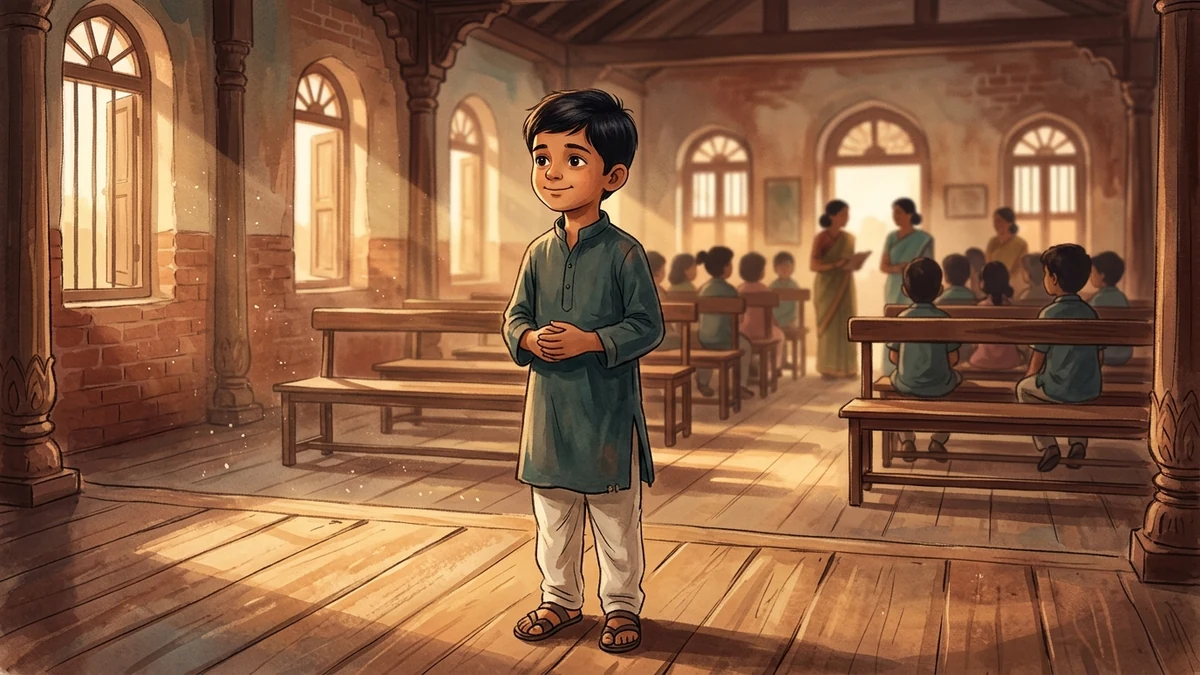
रोहन चुपचाप खड़ा था। वह उस समय स्कूल गेट के पास ही था, क्योंकि वह अपनी किताब लेना भूल गया था और वापस आया था। उसने काफी कुछ देखा था। जब उसकी बारी आई तो उसने धीरे और स्पष्ट रूप से कहा, 'मैंने एक लड़के को लाल साइकिल के पास खड़े देखा था। वह लगभग बारह-तेरह साल का था, काली पैंट पहने था और उसके हाथ में स्कूल का झोला था। उसने साइकिल को छुआ और फिर वह आगे चला गया—पर साइकिल के साथ नहीं। साइकिल तब भी वहीं थी।' गार्ड ने पूछा, 'तो तुम्हें क्या लगता है, उसने चुराई?' रोहन ने सीधे जवाब दिया, 'मैंने उसे साइकिल लेते नहीं देखा। मैं केवल इतना बता सकता हूँ जो मैंने देखा—अनुमान लगाना मेरा काम नहीं।'
Rohit was standing quietly to one side. He had been near the gate because he had forgotten a book and returned for it. He had genuinely observed quite a lot. When his turn came, he spoke slowly and clearly: 'I saw a boy standing near the red bicycle. He appeared to be about twelve or thirteen years old, wore black trousers, and carried a school bag. He touched the bicycle and then walked away — but without the bicycle. It was still there when he left.' The guard asked, 'So do you think he stole it?' Rohit answered directly, 'I did not see him take the bicycle. I can only tell you what I actually observed — drawing conclusions is not my place.'
इस बीच भीड़ में किसी ने उँगली उठाई और पास के दुकानदार के बेटे, कुणाल की तरफ इशारा किया—'यह वही है! यही था उस दिन!' कुणाल डर गया। वह स्कूल के बाहर हर दिन आता था, क्योंकि उसके पिता की चाय की दुकान वहीं थी। भीड़ का आरोप पूरी तरह अफवाह पर आधारित था—किसी ने उसे साइकिल लेते नहीं देखा था, बस 'वहाँ था' इतने से वह संदिग्ध बन गया। रोहन ने तुरंत कहा, 'मैंने जो लड़का देखा था उसके हाथ में स्कूल बैग था और उसने काली पैंट पहनी थी। कुणाल के हाथ में कोई बैग नहीं है और उसने नीली पैंट पहनी है। ये दोनों अलग हैं। बिना प्रमाण के किसी पर इल्ज़ाम लगाना सही नहीं।'
Meanwhile, someone in the crowd pointed toward Kunal, the tea-stall owner's son who stood nearby — 'That's him! He was there that day!' Kunal went pale with fear. He came to the school gate every day because his father's tea stall was right there. But the accusation against him was built entirely on rumour — nobody had actually seen him take the bicycle; he was simply labelled a suspect for being present. Rohit spoke up immediately, 'The boy I observed had a school bag and wore black trousers. Kunal has no bag and is wearing blue trousers. These are two different people. Accusing someone without evidence is simply not right.'
रोहन की बात ने माहौल को बदल दिया। प्रधानाचार्य जी ने स्कूल के CCTV कैमरे की रिकॉर्डिंग देखी। जो लड़का कैमरे में दिखा, वह वास्तव में एक अजनबी बच्चा था जो साइकिल के पास खड़ा हुआ और फिर उसे धीरे-धीरे वहाँ से ले गया। रोहन के द्वारा दिए गए सटीक विवरण—काली पैंट, स्कूल बैग—से पुलिस को खोज में मदद मिली। कुणाल पूरी तरह बेदाग साबित हो गया। विवेक की साइकिल अगले दिन आसपास के इलाके में मिल गई। जब कुणाल के पिता ने रोहन को धन्यवाद दिया, तो रोहन ने कहा, 'मैंने कुछ खास नहीं किया—मैंने बस वही बताया जो सच में देखा था, और जो नहीं देखा उसके बारे में चुप रहा।'
Rohit's statement shifted the entire atmosphere. The principal reviewed the school's CCTV footage. The camera confirmed a stranger boy had approached the bicycle, paused, and quietly wheeled it away. Rohit's precise details — black trousers, school bag — gave the police a meaningful lead. Kunal was completely exonerated. Vivek's bicycle was recovered the following day in a nearby alley. When Kunal's father tearfully thanked Rohit, the boy replied simply, 'I did nothing extraordinary — I told only what I had genuinely seen, and stayed silent about what I had not.'
अगले दिन राव मैडम ने पूरी कक्षा के साथ इस घटना पर बात की। उन्होंने पूछा, 'क्यों इतने सारे बच्चों ने बिना देखे बातें बताईं?' एक बच्चे ने ईमानदारी से कहा, 'शायद हम मदद करना चाहते थे, लेकिन हमें लगा कि 'मुझे नहीं पता' कहना कमज़ोरी है।' मैडम ने गहरी बात कही, 'यह सबसे बड़ी गलतफहमी है। जो सच में 'मुझे नहीं पता' कह सकता है, वही सबसे बहादुर और ईमानदार इंसान है। क्योंकि वह अपनी सीमाओं को स्वीकार करता है। अनुमान को तथ्य की तरह बताना किसी की ज़िंदगी बर्बाद कर सकता है।' रोहन को उस दिन 'ईमानदार गवाह' का खिताब मिला—कक्षा की सबसे बड़ी नैतिक उपाधि।
The next day, Ms. Rao discussed the entire incident with the class. She asked, 'Why did so many of you offer statements about things you had not actually seen?' One child answered honestly, 'I think we wanted to help, but we felt that saying "I don\'t know" was a sign of weakness.' Ms. Rao replied with quiet gravity, 'That is the greatest misconception of all. The person who can genuinely say "I don\'t know" is the most courageous and honest of all — because that person acknowledges the boundaries of their own knowledge. Presenting a guess as a fact can destroy someone\'s life.' That day, Rohit earned the class\'s highest moral title: 'The Careful Witness.'
उस घटना के बाद रोहन ने एक आदत बना ली—जब भी कोई बात करते समय वह पक्का न हो, तो पहले खुद से पूछता, 'मैंने यह सच में देखा या सुना या बस मान लिया?' यह छोटा सा सवाल उसे कई बार झूठी अफवाहें फैलाने से रोकता रहा। उसने अपनी डायरी में लिखा: 'देखना एक बात है, समझना दूसरी, और बताना तीसरी—पर तीनों में सच होना ज़रूरी है।' विवेक ने उस साल अपनी साइकिल की चाबी रोहन को स्कूल यात्रा पर साथ ले जाने दी—एक छोटा, पर गहरा धन्यवाद। और कुणाल हर दिन रोहन को देखकर मुस्कुराता था—बिना किसी शब्द के, वह मुस्कान ही सबसे बड़ी पुरस्कार थी।
After that incident, Rohit developed a personal habit: whenever he was about to say something he was not completely certain of, he would first ask himself, 'Did I truly see this, hear this, or am I merely assuming it?' That small question protected him repeatedly from spreading false rumours. He wrote in his diary: 'Seeing is one thing, understanding is another, and speaking is a third — but all three must be anchored in truth.' Vivek allowed Rohit to carry the bicycle key on the school trip that year — a small but deeply heartfelt gesture of gratitude. And every day when Kunal saw Rohit, he smiled wordlessly — that silent smile was the greatest reward of all.
📚 Moral Vocabulary & Key Terms
Enrich your language and character with these inspiring words from the story:
A person who directly observed an event with their own eyes and can honestly report only what they personally witnessed.
An unverified claim spread without evidence, which may or may not be true but is treated as fact and passed on repeatedly.
A decision based solely on facts and evidence, not on emotions, rumours, or bias toward any individual.
🧠 Ethical Reflection & Quiz
What have you learned from this story? Choose the most honorable choice below: