Honesty
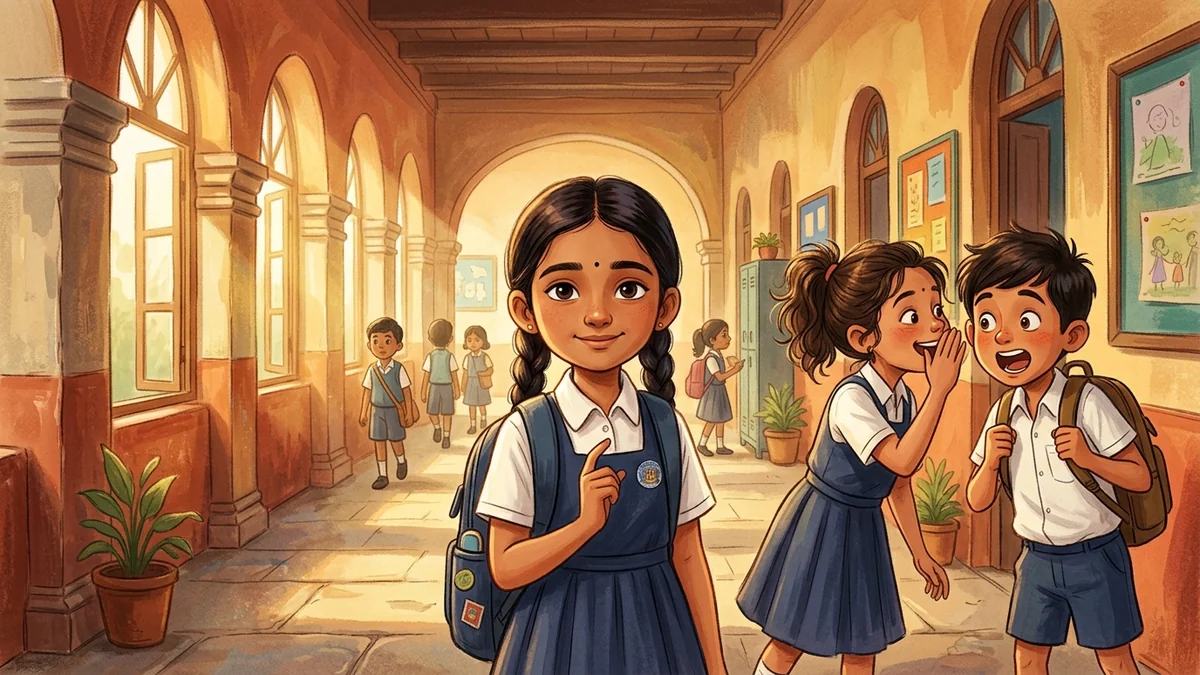
Kabir, a boisterous seventh-grader, had developed a toxic habit of causing disruptions and brushing off responsibility with a hollow, careless 'Sorry!' before walking away. One afternoon during lunch recess, while chasing a classmate across the veranda, he recklessly shoved past Tanmay, knocking a stainless-steel lunchbox from the quiet boy’s hands. The container crashed onto the dirty concrete, scattering hot vegetable curry and fresh puris into the grit. Tanmay was devastated, having no money for the cafeteria and relying on that meal after missing breakfast. As usual, Kabir shrugged flippantly: 'Hey, sorry, dude! Just an accident!' and turned back to his game. Observing the scene, their class teacher, Mrs. Sharma, intervened with a firm moral intervention: 'Kabir, an apology is not an automatic eraser that excuses reckless behavior! Unless your remorse includes taking responsibility, repairing the damage you caused, and changing your conduct, the word 'sorry' is a cowardly mockery.' The reprimand struck Kabir’s conscience like an arrow. Stepping out of his defensive posture, Kabir surrendered his own wholesome lunch to Tanmay, spent his personal pocket money to buy fresh juice for his classmate, and knelt with a rag to scrub the stained veranda floor with his own hands. Witnessing this sincere, action-backed restitution, Tanmay’s hurt dissolved into genuine respect, laying the foundation for a lasting brotherhood. The story demonstrates that a genuine apology is not a cosmetic utterance, but an active commitment to repair harm, bear responsibility, and transform one's behavior.