Environment
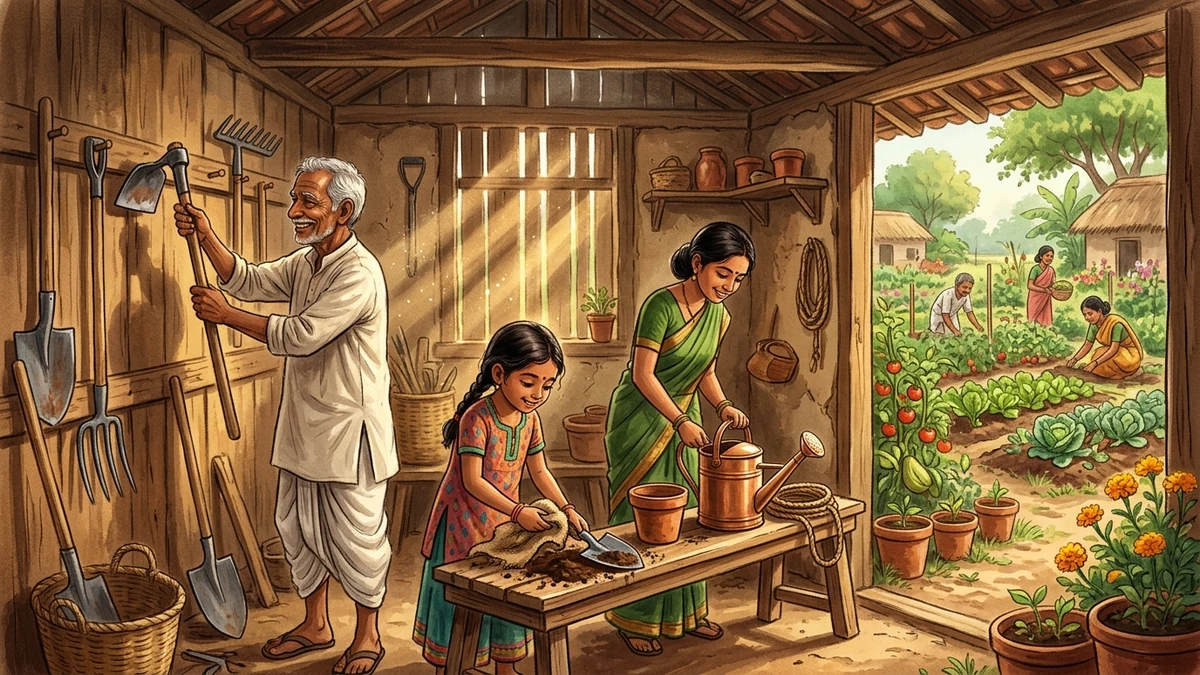
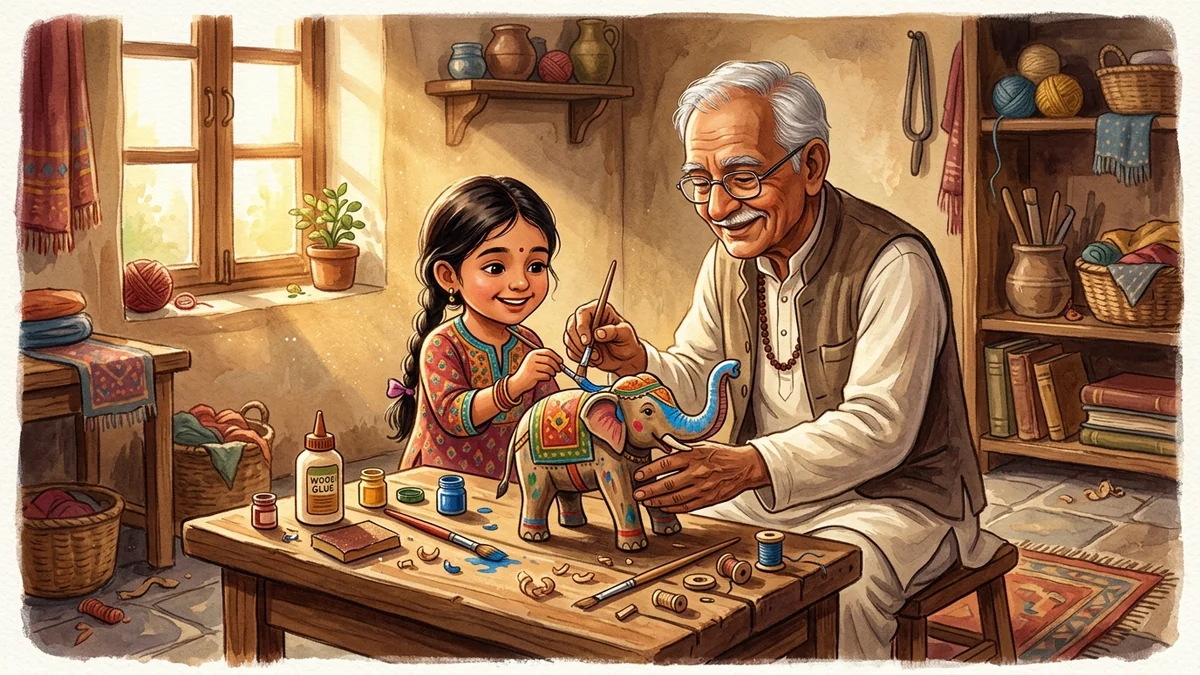
Ten-year-old Kabir, nurtured within the disposable, hyper-consumerist culture of the modern metropolis, possessed zero reverence for material possessions or human effort. Surrounded by mountains of electronic gadgets, plastic toys, and designer apparel, his reflexive habit upon encountering the slightest defect was to discard the item into the trash and petulantly demand an immediate replacement. On his birthday, his prized high-speed remote-controlled monster truck collided with a hardwood cabinet, fracturing the primary wheel axle and dislodging the internal drive gears. True to his spoiled instincts, Kabir hurled the expensive machine into the waste bin with a violent kick, screaming for an imported successor. His grandfather, an eighty-year-old retired Chief Mechanical Engineer of the Indian Railways, retrieved the broken artifact from the garbage. Guiding Kabir into his sunlit garage workshop, the patriarch imparted an immortal philosophy: 'Kabir, in our generation, when an instrument fractured, we did not throw it away into the dustbin; we sat together with patience and repaired it—whether it was a machine, a tool, or a human relationship!' Over three dedicated evenings, the grandfather and grandson dismantled the chassis, machined a new brass axle upon a miniature lathe, lubricated the nylon gears, and resoldered the motor connections. When the vehicle was deployed across the rug, it operated with far greater speed, durability, and mechanical elegance than its factory form! Experiencing the transcendent joy of patient craftsmanship, Kabir underwent a profound spiritual rebirth. When his mother’s vintage brass reading lamp failed a week later, instead of discarding it, Kabir dismantled the socket, repaired the wiring, and restored its light. The story demonstrates that a disposable mindset destroys both planetary ecology and human relationships; the noble art of patient repair fosters mindfulness, creative mastery, and the enduring resilience of the human soul.